

The piece that fails first, and nobody expects it to
A chair takes more punishment for its size than anything else in a house. It is sat down in heavily, tipped back on, dragged across a floor and leaned on, and it has to do all of that on four thin legs.
Which is why a chair is the first thing to loosen in a cheaply made set, and why the joint between the leg and the seat rail is worth more attention than the fabric on top of it.
What actually matters, before the design does.
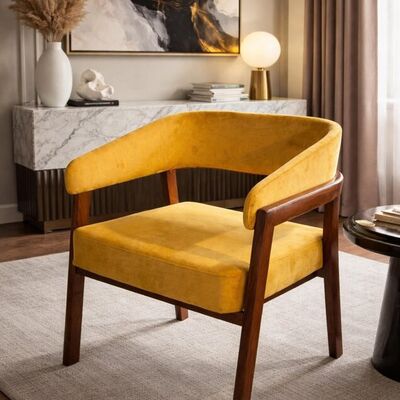
Every chair fails in the same place: where the leg meets the seat rail. A proper mortise and tenon, glued and cramped, holds for decades. A dowel or a screw through the rail works loose, and once it has moved, re-gluing it rarely lasts.
A small triangular block glued and screwed into each corner under the seat spreads the load away from the joint. It costs very little and is left out of almost every inexpensive chair, which is precisely why those chairs wobble.
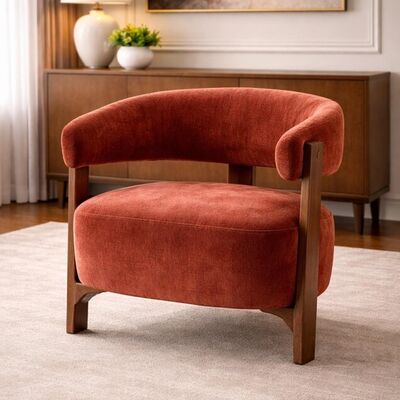
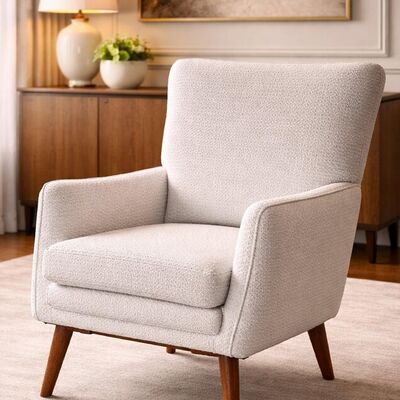
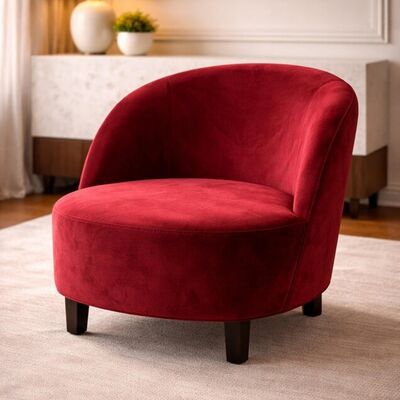
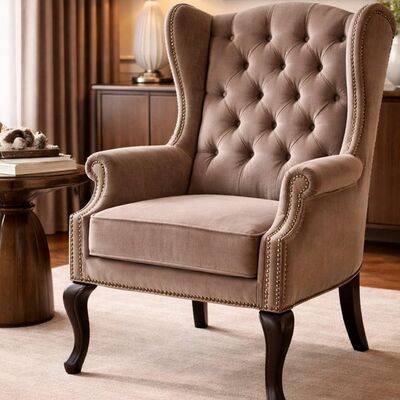
A dining chair must be comfortable for an hour, stackable or tuckable, and light enough to move daily. An accent chair is for long sitting and can be heavier, deeper and more generously padded. Buying one for the other's job is a common and expensive mistake.
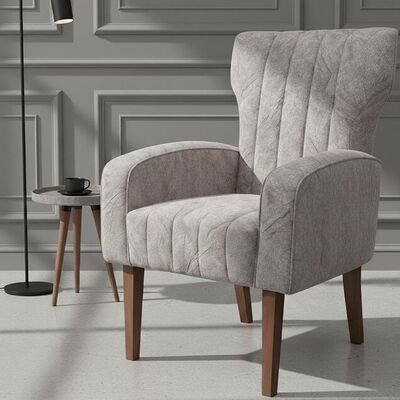
The arm tops and the headrest wear out long before the seat does. On a chair that will be used every day, a tight weave or leather at those points is worth the difference, whatever is chosen for the rest.
Tell us where the chair is going and how long someone sits in it. That single answer changes the frame, the padding and the fabric.
Every piece is built after you order it — your size, your wood, your finish.




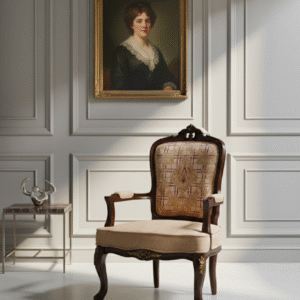
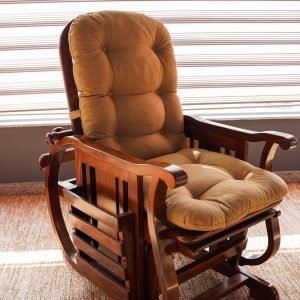
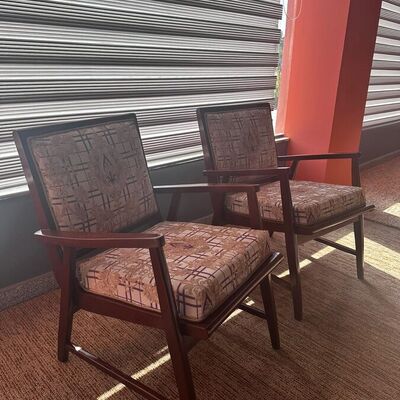
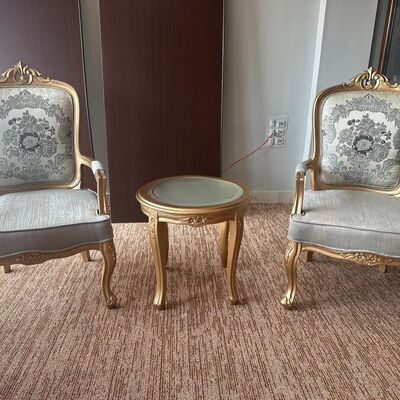
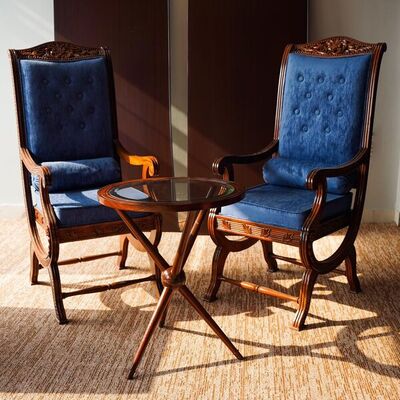
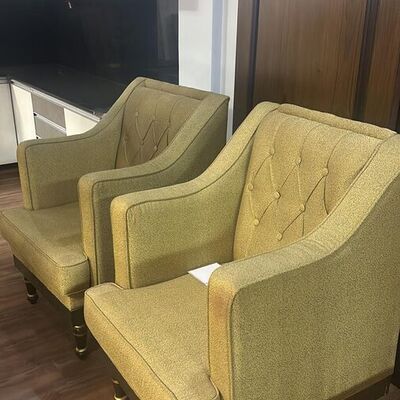
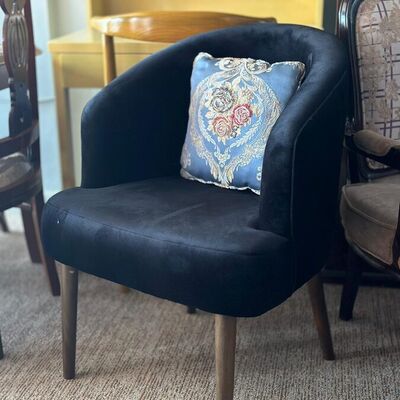
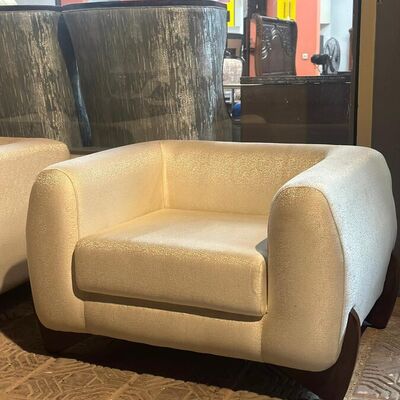
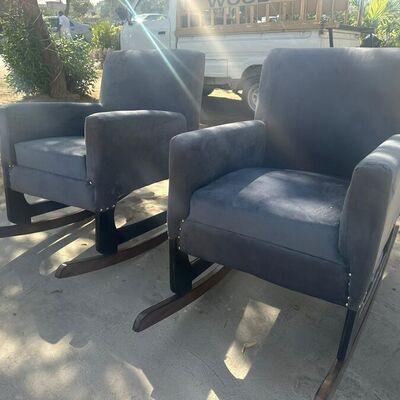
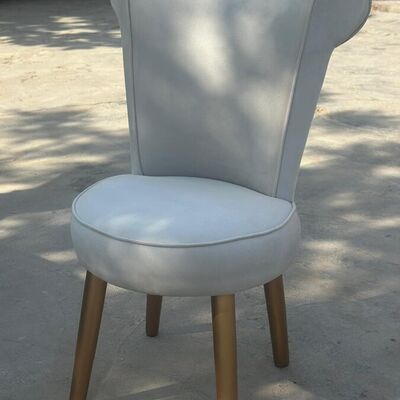
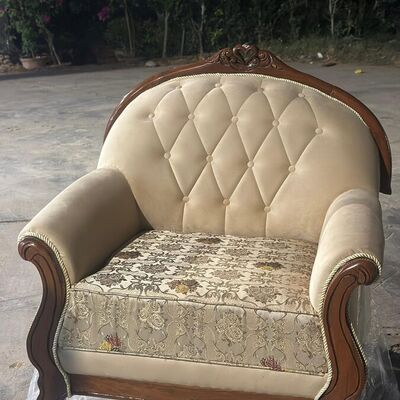
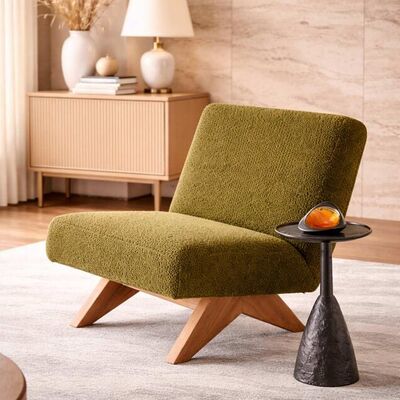

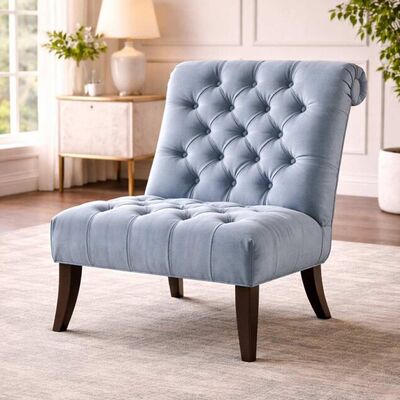
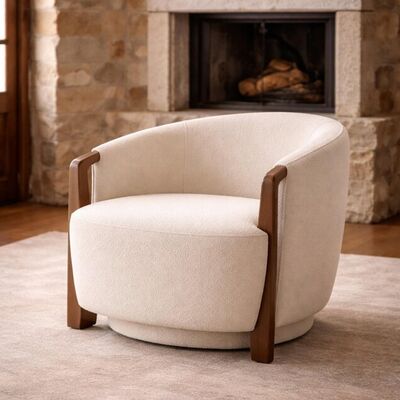
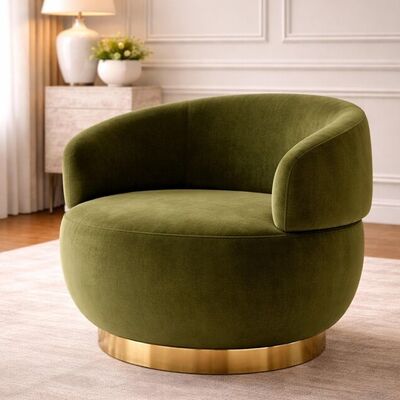
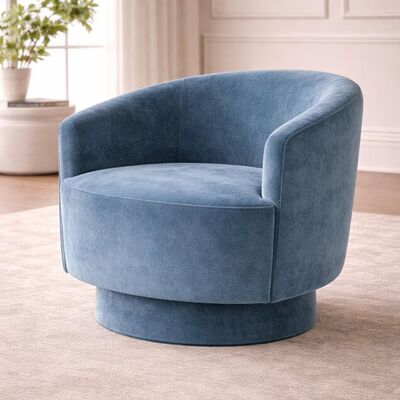
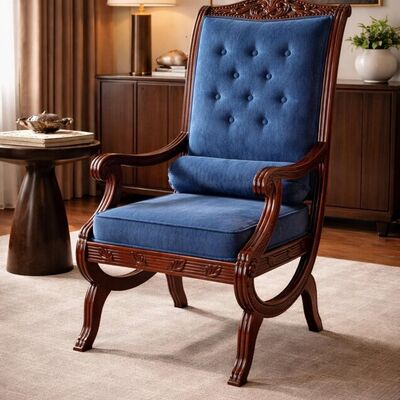
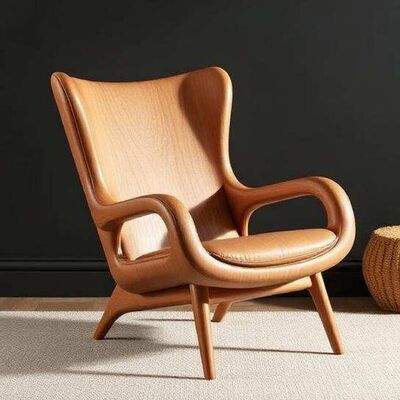
Send a photograph and rough dimensions. We will come back with options and a price.